Ridge Preservation Following Removal of Infected Failed Implants, with Secondary Vertical Augmentation Using Autologous Onlay Bone Grafting (AOBG) in the Posterior Mandible
A comprehensive treatment approach for managing chronic infection and severe bone loss in the posterior mandible due to failed implants. The protocol includes immediate ridge preservation with xenograft material (GBR), followed by vertical augmentation using autologous onlay bone grafting, and a final stage of implant placement with connective tissue grafting.
-
 Length: 25 Minutes
-
 1 Video
 Add to cart

About this video
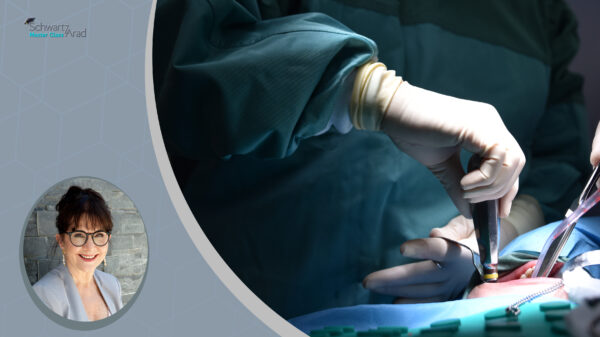
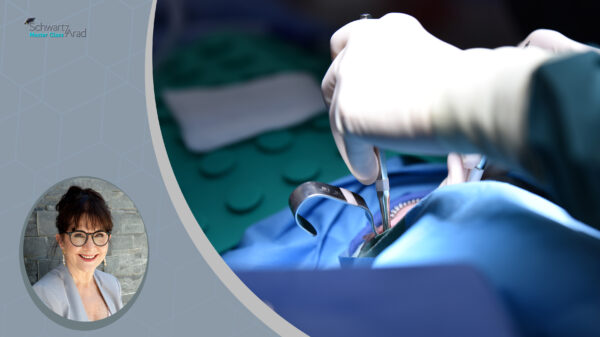
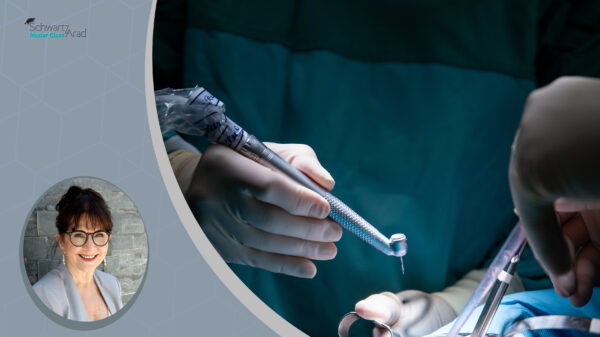
This case addresses the removal and replacement of failed implants in the right posterior mandible. Without ridge preservation at the time of implant removal, significant hard and soft tissue loss can occur, making future augmentation more challenging. To optimize treatment outcomes, a staged approach was implemented:
- Immediate ridge preservation using xenograft material saturated in PRP, covered with PPP and a resorbable membrane at the time of implant removal.
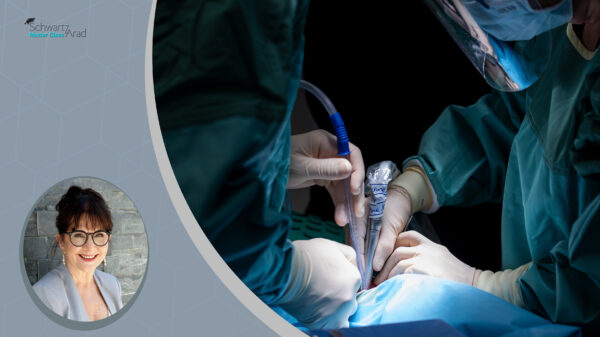
- Vertical ridge augmentation using autologous onlay bone block grafts harvested from the adjacent mandibular ramus.
- Application of blood-derived materials (PRP and PPP) in both augmentation stages to promote healing and graft integration.
- Implant placement six months later, accompanied by a connective tissue graft harvested from the palate.
This multi-stage approach ensures optimal bone volume and soft tissue support for successful implant rehabilitation.